2026-09-24 · Travis Whitlock
Hydro Jetting vs. Snaking: Which Does Your Texas Home Need?
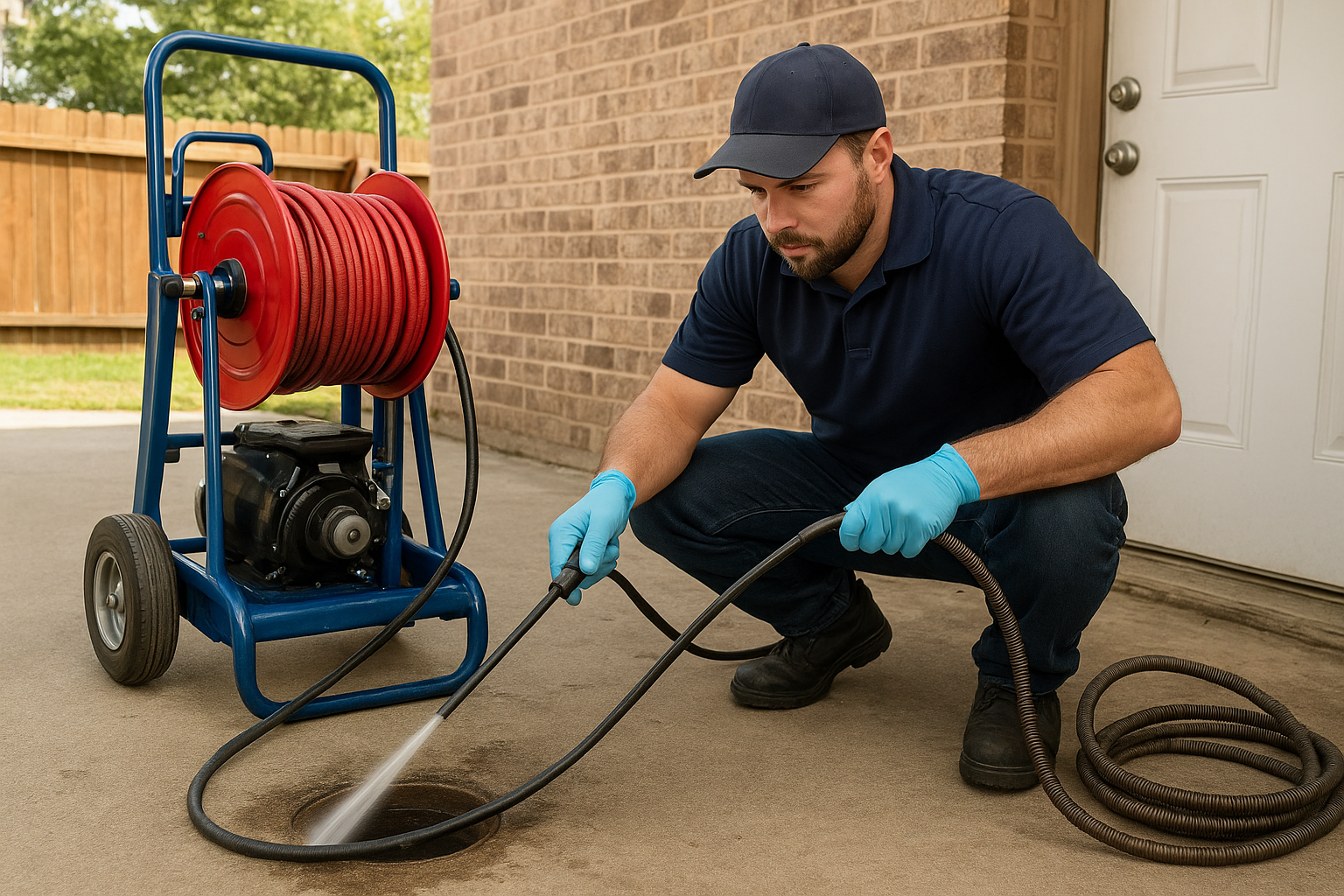
Houston homes in neighborhoods like the Heights and Montrose frequently need more than basic snaking because of grease accumulation from cooking in the hot humid summers. Hydro jetting clears lines more thoroughly when buildup coats pipes over years in Harris County properties built before 1970.
Understanding Snaking for Drain Clogs
Snaking uses a flexible cable with a cutting head to break through simple obstructions like hair or food scraps. This method reaches 50 to 75 feet in most residential lines and works well for isolated clogs in bathroom drains common in Midtown apartments. Operators rotate the cable by hand or machine to restore flow without removing every trace of residue along the pipe walls. In River Oaks homes with mature trees, snaking can clear root intrusions at joints but often leaves fine particles that reform quickly during heavy summer rains. The approach takes 30 to 60 minutes on average and suits first-time issues reported in Downtown high-rises where tenants notice slow sinks. However, repeated snaking sessions on the same line signal deeper problems that require a different tool.
When Hydro Jetting Delivers Better Results
Hydro jetting sends pressurized water at 3,000 to 5,000 PSI through a specialized nozzle to scour the entire interior of the pipe. This removes years of grease layers that form faster in Houston's subtropical climate where temperatures stay above 80 degrees for months. Properties near the Houston Zoo or Museum of Fine Arts often see kitchen lines clogged by cooking oils that snaking merely punches through. The water jet reaches every surface and flushes debris to the main, restoring full diameter in lines 3 to 4 inches wide. Operators control the nozzle to avoid damaging older clay or cast-iron pipes found in Heights bungalows. One pass typically lasts longer than multiple snake jobs because it addresses the root cause rather than the symptom.
Houston-Specific Factors Affecting Your Choice
Harris County soil shifts with seasonal moisture changes, stressing joints in homes built 40 to 60 years ago across Pearland and Sugar Land. Hot humid summers accelerate grease solidification inside pipes while mild winters keep roots active year-round. Neighborhoods like Montrose with narrow lots often share sewer laterals that collect debris from multiple households. Downtown high-rises face different issues from vertical stacks where paper products combine with soap scum. Katy homes on newer subdivisions experience fewer root problems but still battle mineral scale from local water hardness. These conditions make hydro jetting the practical choice when signs you need professional drain cleaning appear repeatedly within a single season.
Cost Considerations in Harris County
Snaking a single fixture usually falls between $150 and $300 while hydro jetting a main line ranges from $400 to $800 depending on access and length. Homes in the Heights may require extra setup time due to limited yard space around mature landscaping. Multiple visits for recurring clogs add up faster than one thorough hydro jetting session that addresses the full line. How much does drain cleaning cost in Texas? outlines variables such as pipe material and location that affect final pricing for local properties. Owners in Midtown and Downtown often choose hydro jetting when planning long-term occupancy because it reduces callbacks during peak summer humidity.
Making the Right Decision for Your Home
Start by noting how often clogs return and which fixtures are affected. Persistent kitchen backups in older River Oaks homes point toward hydro jetting while a single slow shower drain may respond to snaking. Why Texas homes get frequent drain clogs explains how climate and housing age interact in Harris County. For full main line issues, review details on main line drain cleaning before deciding. Test the line with a camera inspection when possible to confirm whether residue or a physical obstruction is present. This approach prevents unnecessary work and matches the method to the actual condition of pipes under Houston streets.