2026-09-24 · Travis Whitlock
Why Texas Homes Get Frequent Drain Clogs
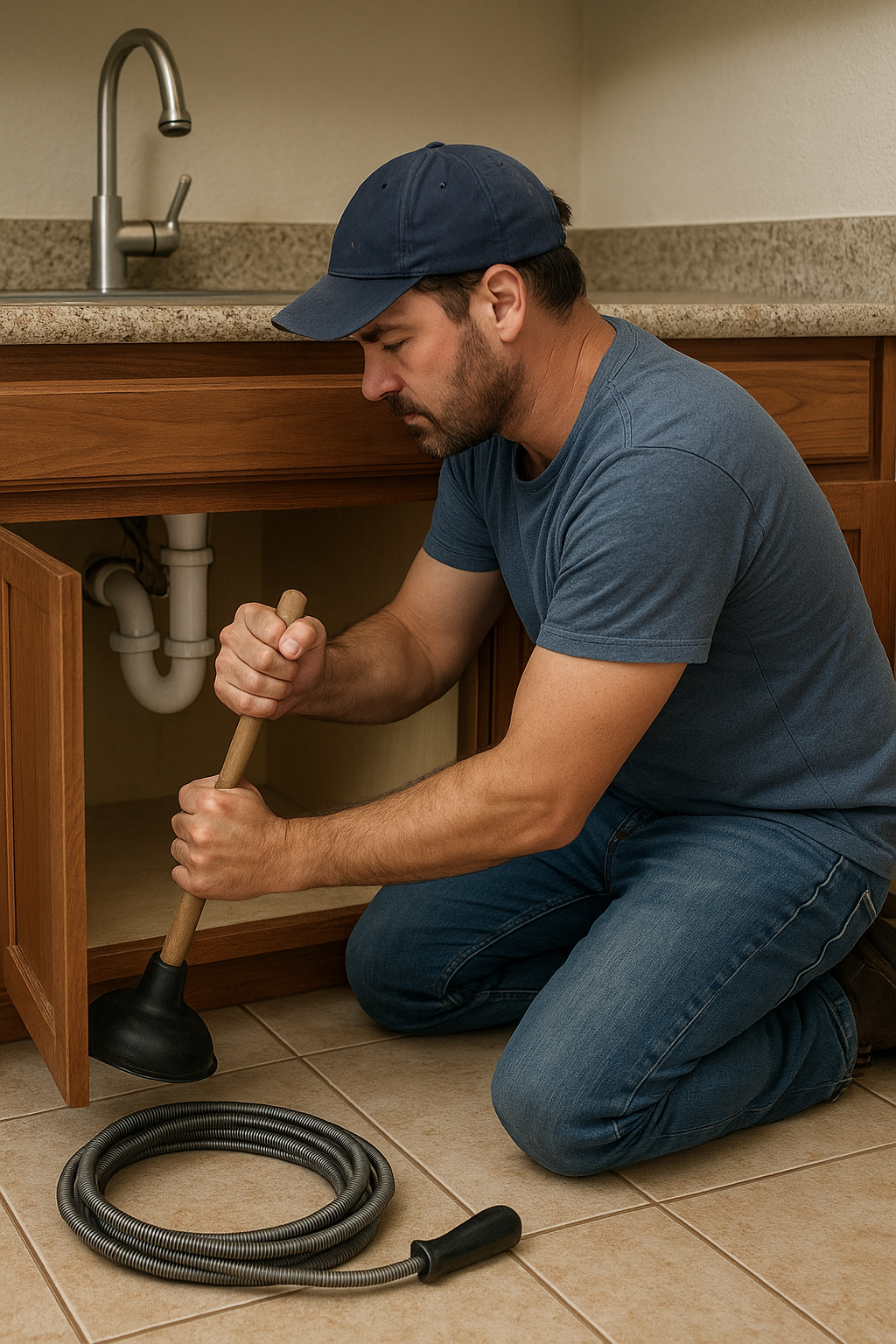
Houston homes experience frequent drain clogs because of aging cast iron pipes in pre-1970 neighborhoods, heavy seasonal rainfall, and grease accumulation from everyday cooking that hardens in mild winters.
Aging Plumbing in Historic Houston Neighborhoods
Homes built before 1970 in the Heights, Montrose, and Midtown commonly contain cast iron or clay sewer lines that have corroded over decades. Tree roots from live oaks and magnolias common in River Oaks and Downtown seek moisture and penetrate joints, creating blockages that worsen during the 40–60 inches of annual rain Harris County receives. These older lines also collect scale and debris more readily than modern PVC, leading to repeated backups in kitchen and bathroom drains. Homeowners in these areas often notice slow drains first in lower-level fixtures where the main line slope has flattened from soil shifting. Regular inspections reveal that many properties in these neighborhoods require hydro jetting every 18–24 months to restore full flow.
Impact of Houston's Subtropical Climate
The region's hot humid summers and mild winters keep grease from cooking oils in a liquid state longer before it cools and solidifies inside pipes. Sudden downpours during hurricane season overwhelm older storm drains connected to sanitary lines in Midtown and Downtown, pushing sediment and debris backward into residential systems. Mild winters prevent the ground from freezing, allowing roots to grow year-round and exploit small cracks in sewer lines beneath Heights and Montrose yards. High humidity also promotes bacterial growth that combines with fats to form stubborn mats. These weather patterns make drain issues more predictable here than in drier parts of Texas such as Katy or Sugar Land.
Common Causes from Local Lifestyles and Terrain
Houston's flat terrain and clay-heavy soils in Harris County cause poor drainage around foundations, allowing water to pool and increase pressure on underground pipes. Residents in Pearland and nearby suburbs often use garbage disposals heavily for Southern cooking remnants, sending fats and starches that congeal downstream. In older River Oaks estates, long lateral runs to the street main create multiple low spots where debris settles. Daily showers and laundry in multi-story homes in the Heights add volume that exposes any existing restriction. These combined factors turn minor buildup into full clogs faster than in cities with steeper grades or different soil types.
How Soil and Water Conditions in Harris County Contribute
Harris County's expansive clay soils expand and contract with moisture changes, shifting sewer lines and cracking joints over time. High water tables near bayous and drainage ditches allow groundwater infiltration that carries silt into pipes, narrowing the diameter. Homes near the Houston Zoo or Museum of Fine Arts district sit on similar soil profiles that accelerate pipe movement. During extended dry spells followed by rain, the ground movement creates new entry points for roots. This cycle repeats annually and explains why main line issues appear more often here than in the sandy soils around Sugar Land or Katy.
Practical Steps Homeowners Can Take
Track how quickly water drains after heavy rain to spot developing restrictions early. Avoid pouring cooking oils down any drain and run hot water followed by cold after each use to help move residue. Schedule professional assessment of the main line every two years if the home sits in Montrose or the Heights. When clogs recur, compare options such as Hydro Jetting vs. Snaking to choose the method that matches pipe condition. Review Signs You Need Professional Drain Cleaning for indicators that simple plunging will no longer suffice. These habits reduce emergency calls and extend the life of existing plumbing in Houston's demanding environment.